- Free Consultation: (888) 262-6664 Tap Here to Call Us












Who May Be Responsible for a Boating Accident?


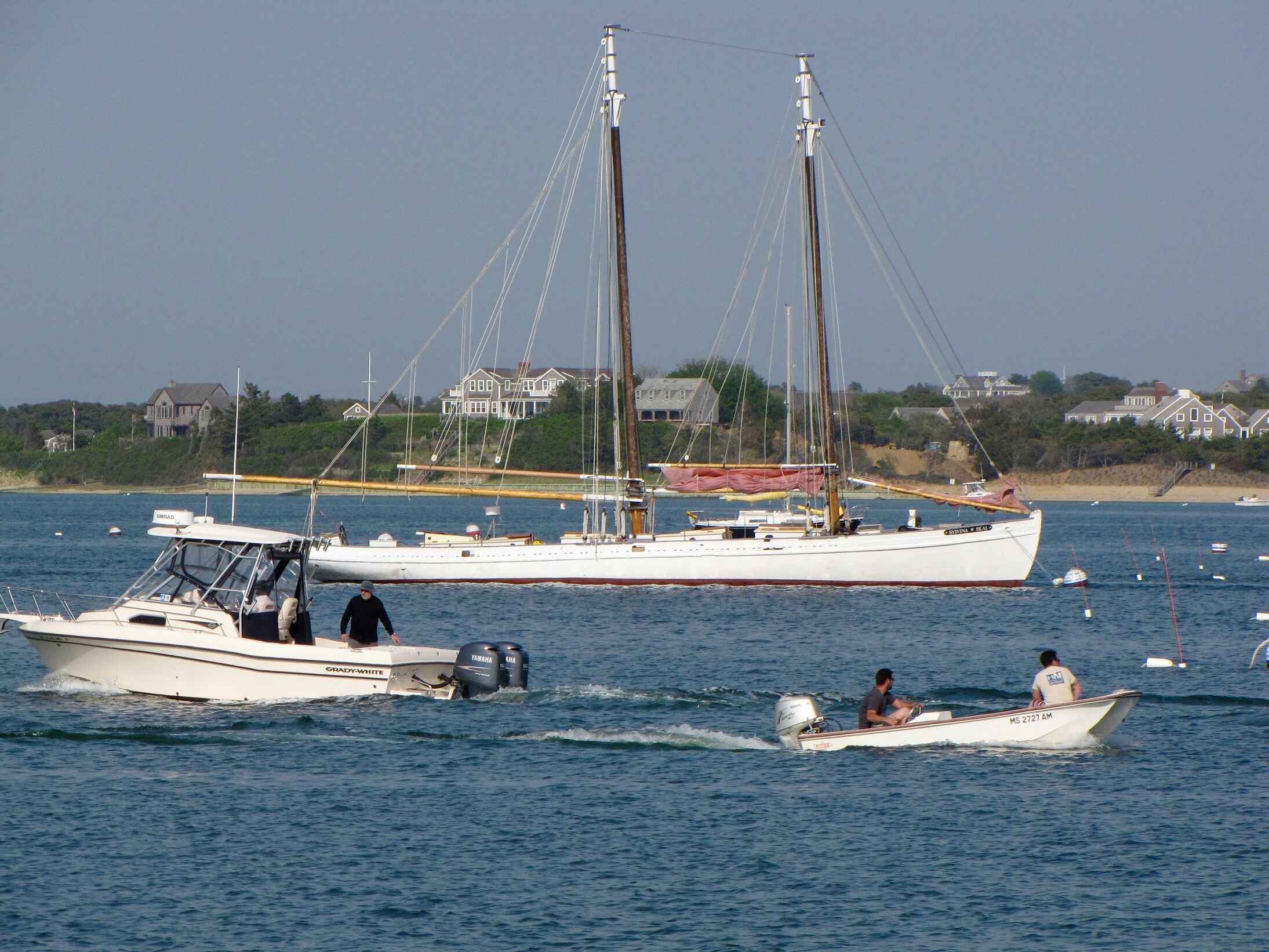
A day on the water can quickly change when a passenger suffers an injury in a boating accident. Whether you are spending an afternoon off Cape Cod, traveling between local harbors, or enjoying time on one of Massachusetts’ lakes or rivers, you may not know who is responsible when someone else’s actions cause an injury. Understanding your legal options can be an important first step. If you are looking for a personal injury lawyer Plymouth, knowing how liability may apply after a boating accident can help you make informed decisions.
At The Law Offices of John C. Manoog III, we help injured individuals throughout Plymouth, Hyannis, and Cape Cod understand their rights after serious accidents.
Passengers May Have More Than One Potential Claim
As a passenger, you generally are not operating the vessel or making decisions about speed, navigation, or safety. If you are injured, however, determining who may be responsible can depend on how the accident occurred.
The boat operator may be responsible if they were operating the vessel negligently, failed to pay attention to changing water conditions, or otherwise failed to act reasonably. Another vessel’s operator may also be responsible if a collision caused your injuries.
In some situations, a boat owner, employer, or another party may also have legal responsibility depending on the circumstances. The Law Offices of John C. Manoog III can help evaluate the facts of a boating accident and identify the parties who may potentially be responsible.
What Can Cause a Boating Injury?
Boating accidents can happen for many reasons. Some may involve:
- Excessive or unsafe speed
- Inattention or distraction
- Operating under the influence
- Failure to follow navigation rules
- Poorly maintained equipment
- Inadequate safety equipment
- Dangerous weather or water conditions
The Massachusetts boating law summary outlines state requirements involving safe operation, safety equipment, personal watercraft, and accident reporting.
Documenting Your Injuries Matters
If you are injured as a passenger, seeking medical attention promptly is important even when your symptoms initially seem manageable. Medical records can help document the nature of your injuries, treatment recommendations, and how the accident has affected your daily life.
You should also preserve information about the accident whenever possible. Photographs, witness contact information, details about the vessel, and information about the people operating the boats involved may become important when determining what happened.
The Massachusetts boat accident reporting requirements explain when an accident must be reported to the Massachusetts Environmental Police, including accidents involving injuries requiring medical attention or significant property damage.
Understanding Your Legal Options
A boating injury claim may involve more complicated legal questions than a typical accident on land. Depending on the circumstances, state law, federal maritime law, or other rules may apply. This can make it especially important to understand how the accident occurred and who may have contributed to your injuries.
If you are looking for a personal injury lawyer Plymouth MA, an attorney can review the circumstances of your accident and help identify the parties who may be responsible. An experienced best personal injury lawyer Massachusetts residents can turn to can also help you understand what compensation may be available for medical expenses, lost income, pain and suffering, and other losses.
How The Law Offices of John C. Manoog III Can Help
If you were injured as a passenger in a boating accident, you do not necessarily have to determine responsibility on your own. The Law Offices of John C. Manoog III has experience handling boating injury claims involving personal and commercial watercraft and understands the legal issues that may arise in these cases.
If you are looking for a personal injury lawyer Plymouth, contact our team to discuss your accident and learn more about your rights and legal options.

