- Free Consultation: (888) 262-6664 Tap Here to Call Us










I Rear-Ended Someone Who Stopped Suddenly: What You Need to Know


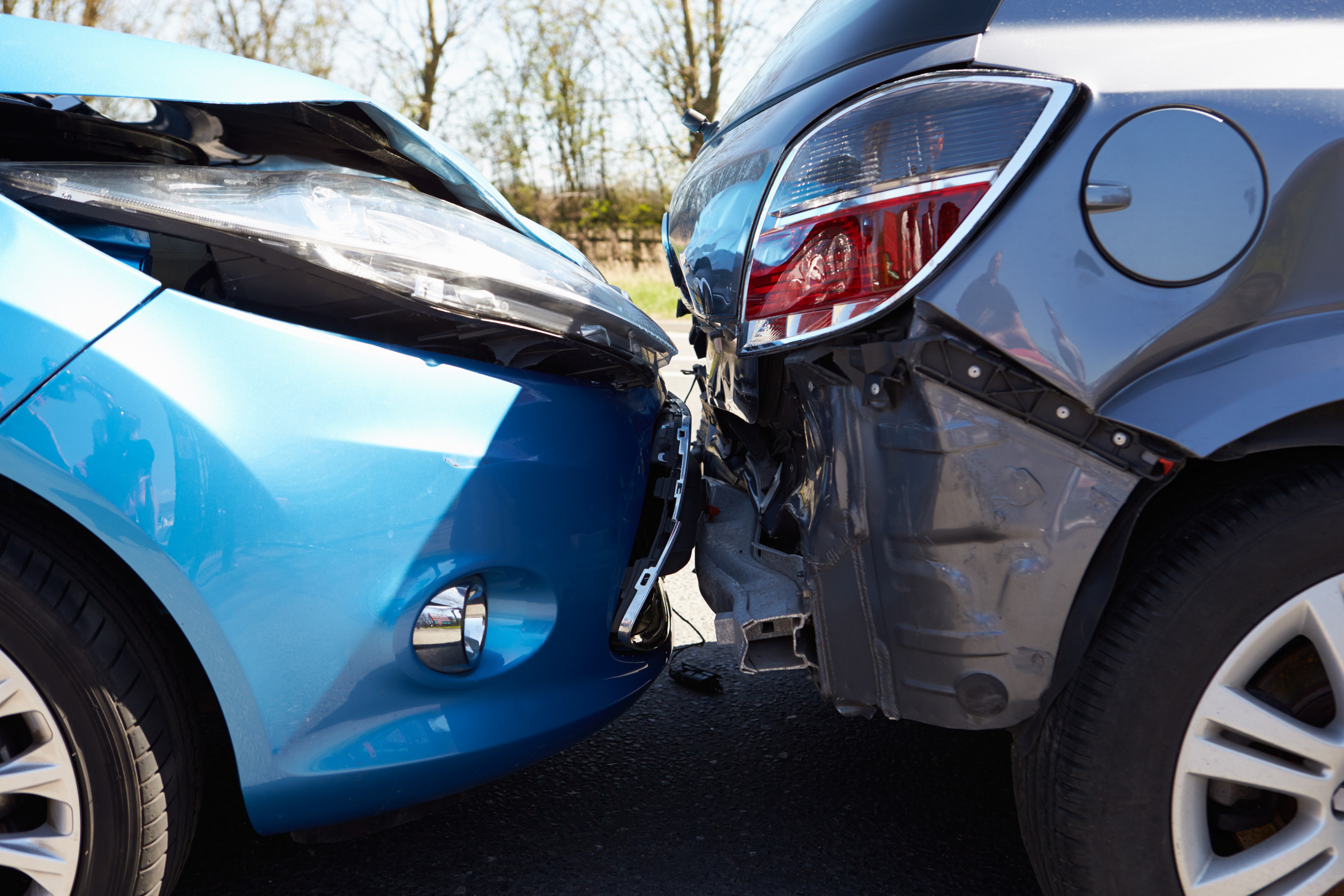
In the moments after a rear-end collision, it’s natural to assume you are entirely at fault. However, the circumstances of a crash are often more complex than they first appear, especially when the driver ahead stops unexpectedly. At The Law Offices of John C. Manoog III, we understand that every accident has a unique context. Navigating the aftermath requires a clear understanding of your rights and potential liabilities, which is why consulting with a professional car accident lawyer Plymouth is a critical first step.
Is the Rear Driver Always at Fault?
While there is a general presumption that the trailing driver is responsible for a rear-end collision, this is not an absolute rule. Liability in rear-end collisions is not always straightforward. As outlined in a publication by the National Highway Traffic Safety Administration (NHTSA), various factors, including driver behavior and pre-crash decisions, may result in shared responsibility for the crash.
There are several situations where the lead driver may bear some or all of the responsibility for a rear-end crash. These exceptions are crucial to understand.
Exceptions to the Rule
- Sudden, Unjustified Braking: If the driver ahead brakes aggressively without a valid reason, such as to intentionally cause a collision or due to road rage, they could be found negligent.
- Malfunctioning Brake Lights: A lead driver with broken or non-functional brake lights fails to provide adequate warning to others on the road. This mechanical failure can shift liability.
- Reversing Suddenly: If the front car unexpectedly reverses into the vehicle behind it, the lead driver would likely be at fault.
- Hazardous Lane Changes: A driver who cuts in front of you and immediately brakes without leaving sufficient stopping distance may be considered negligent.
Determining whether one of these exceptions applies requires a detailed investigation. An experienced accident lawyer Cape Cod can help gather the necessary evidence, such as witness statements and traffic camera footage, to build a strong case.
Protecting Yourself After a Collision
Taking the right steps immediately after a collision is essential for preserving your legal rights and building a strong case. Organizations like the National Safety Council (NSC) highlight the importance of prompt action to protect your interests throughout the claims process.
Here’s what to do after an accident:
- Move to Safety: If possible, move your vehicle to a safe location to prevent further harm.
- Contact Authorities: Call the police to report the accident and ensure an official record is created.
- Exchange Information: Collect names, contact details, and insurance information from the other driver(s).
- Document the Scene: Take clear photos of vehicle damage, positions, road conditions, and any visible injuries.
- Avoid Admitting Fault: Do not make statements about responsibility to the other driver or insurance representatives.
- Reach Out for Legal Guidance: Contact experienced attorneys in Hyannis to handle insurance communications and protect your rights.
Following these recognized best practices can make a significant difference in the outcome of your claim. Staying factual and having a knowledgeable car accident lawyer Plymouth by your side ensures your perspective is accurately represented and your interests are safeguarded.
How an Accident Lawyer Can Help You with Your Claim
At The Law Offices of John C. Manoog III, we are committed to providing expert legal guidance to drivers navigating complex accident claims. We will thoroughly investigate the details of your collision to determine liability and protect your rights. Before you accept any settlement or admit fault, contact our professionals and see what a dedicated car accident lawyer in Plymouth can do for you.

